Rare, Remembered: The Studio That Gave Xbox Its Heart and Why Fans Can't Move On

Photo: RockosModernLifeFan848, CC0, via Wikimedia Commons
There's a specific kind of hurt that only longtime Xbox fans understand. It's not the sting of a canceled game or a bad console launch. It's quieter than that — more personal. It's the feeling you get when you boot up Sea of Thieves, a genuinely fun game made by genuinely talented people, and still find yourself wishing it was something else entirely. Something that felt more like Rare.
Because here's the thing about Rare: they weren't just a developer Microsoft bought in 2002 for $375 million. They were, for a particular generation of players, the closest thing Xbox had to a soul.
Before Microsoft, There Was Magic
To understand why Rare's legacy hits so differently for Xbox diehards, you have to go back even further than the original Xbox. Rare spent the '90s doing the kind of work that made grown adults lose track of entire summers. Donkey Kong Country. Goldeneye 007. Banjo-Kazooie. Conker's Bad Fur Day. These weren't just great games — they were events. They were the reason you dragged your friends over on a Friday night and didn't sleep until someone's mom made everyone go home.
By the time Microsoft came knocking, Rare had a track record that most studios spend entire corporate lifetimes chasing. So when the deal went through, Xbox fans had every reason to believe they were getting something extraordinary. A studio with pedigree. A team that knew how to make games that mattered.
The Xbox Years: Complicated From the Start
The reality, as is so often the case, was messier than the hype.
Perfect Dark Zero launched alongside the Xbox 360 and landed with a thud that still echoes. It wasn't a bad game, exactly — but it wasn't the triumphant return fans had imagined for Joanna Dark. Kameo: Elements of Power was charming in a forgotten-gem kind of way. Grabbed by the Ghoulies, released on the original Xbox, had the kind of weird, rubber-banded energy that felt like peak Rare weirdness — and almost nobody bought it.
Viva Piñata, though? That one deserves its flowers. It was strange and colorful and completely uninterested in being anything other than itself. There's a reason it still has a devoted cult following all these years later. That game had personality leaking out of every frame.
But even as individual titles landed here and there, something felt off. The connective tissue that made old-school Rare feel like a singular creative force — that sense that everyone in the building was chasing the same impossible standard — seemed harder to find. Key creative figures had left. The culture had shifted. The studio that once operated like a scrappy underdog with something to prove was now a first-party Microsoft asset with quarterly expectations.
The Kinect Years: We Don't Talk About Those
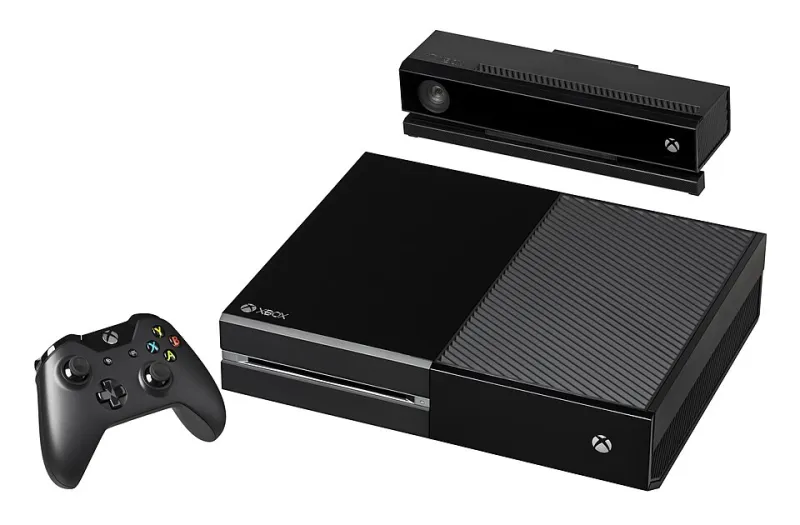
Then came the Kinect era, and Rare spent years making games that, frankly, nobody asked for. Kinect Sports titles. Avatars. Party games built around motion controls that the market had already started walking away from. For a studio with Rare's history, watching that period unfold in real time felt like watching a Hall of Fame athlete get stuck doing corporate wellness videos.
Fans were patient, mostly. There was always the hope that Microsoft would eventually cut Rare loose to do something big again. Something that felt like a statement.
Sea of Thieves and the Question Nobody Wants to Answer
Sea of Thieves was supposed to be that statement. And in some ways, it was. The game has grown into something genuinely impressive — a living, breathing shared-world adventure that keeps pulling players back years after launch. Rare clearly poured real creativity into it, and the ongoing updates have shown a development team that cares deeply about what they've built.
But.
And this is the part that's hard to say without sounding ungrateful — but Sea of Thieves isn't Banjo-Kazooie. It isn't a new Conker. It isn't the single-player, character-driven, weird-and-wonderful Rare experience that a whole generation of Xbox fans has been quietly waiting for since roughly 2002. It's a great game that could have been made by a lot of studios. The old Rare made games that felt like they could only have come from them.
Evermore is coming, and there's cautious optimism around it. But cautious optimism is basically the default setting for Rare fans at this point. We've been here before.
Why the Nostalgia Hits Different
Here's what makes Rare's situation unique in the Xbox ecosystem: no other studio carries this kind of emotional weight for the fanbase. When people talk about Xbox exclusives, they talk about Halo and Forza and Gears of War. Those are pillars. But Rare is something else — it's more like a memory of what Xbox could have been, a parallel timeline where the studio kept swinging for the fences and kept connecting.
There's a generational dimension to it, too. If you were a kid in the mid-to-late '90s, Rare games weren't just entertainment. They were formative. They were the reason you fell in love with gaming as a medium. Carrying that kind of emotional history into adulthood means every Rare announcement lands with the weight of expectation that no game could realistically satisfy.
That's not entirely fair to the people making games at Rare today. They're talented developers working in a completely different industry landscape than the one that produced Goldeneye. But fairness and nostalgia have never been particularly close friends.
What We're Really Mourning
Maybe what Xbox fans are actually grieving isn't Rare specifically — it's a version of Xbox culture that felt wilder and more personal. A time when a single studio could define what a platform meant to its audience. In an era of massive game budgets, live-service models, and carefully managed IP roadmaps, that kind of creative identity is genuinely harder to maintain.
Rare still exists. They're still making things. And there's a real argument that Sea of Thieves, warts and all, represents a successful reinvention rather than a creative decline. Not every studio is supposed to stay frozen in amber.
But every time someone fires up the Rare Replay collection — which, by the way, is still one of the best value propositions in Xbox history — and works their way through thirty-plus years of games, they're reminded of something that's hard to shake. There was a moment when this studio was making the most joyful, inventive, personality-packed games on the planet.
We're still waiting for that feeling to come back. And honestly? We probably always will be.