Sensor and Sensibility: How Kinect Cracked the Xbox Community Right Down the Middle
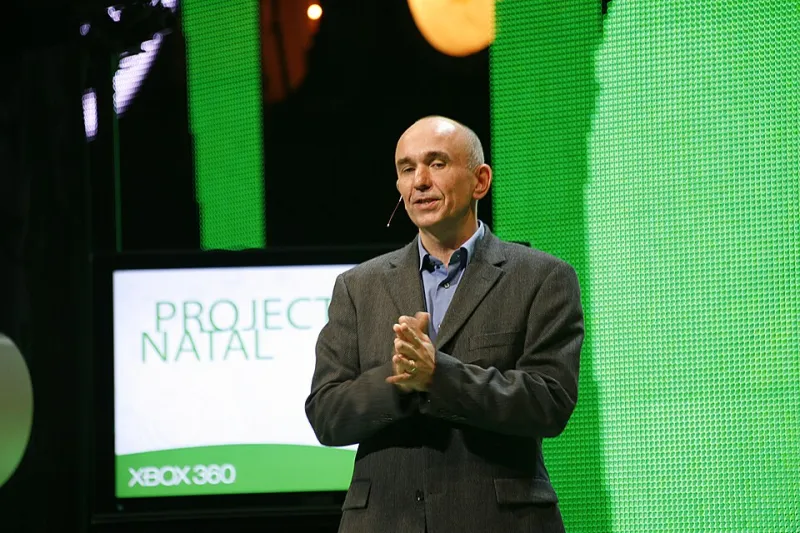
Photo: Microsoft Corporation, CC BY-SA 4.0, via Wikimedia Commons
There's a particular kind of argument that never really ends in gaming communities. Not the console wars stuff — that's just noise. The arguments that stick around are the ones where both sides are kind of right. The Kinect argument is exactly that kind.
Ask any longtime Xbox fan about the Kinect era and you'll get one of two reactions. Either their eyes light up with something between nostalgia and genuine defensiveness, or they visibly wince like you just brought up a bad breakup. Sometimes — and this is the interesting part — you get both reactions from the same person.
That tension is worth unpacking. Because the Kinect wasn't just a peripheral. It was a statement about what Xbox wanted to be, and the fallout from that statement still echoes in how Microsoft talks about its gaming brand today.
The Promise That Actually Worked (Sometimes)
Let's give credit where it's due. When the original Kinect launched in November 2010, the technology was genuinely impressive for its time. Full-body skeletal tracking without a controller? Voice commands that actually functioned in a living room environment? Microsoft wasn't faking the ambition — they were swinging hard at a vision of gaming that went beyond the couch potato stereotype.
For certain audiences, it delivered. Dance Central became a legitimate party phenomenon. Kinect Sports got families moving in ways that even the Wii had struggled to replicate. There's a real contingent of players — parents, casual fans, people who'd never called themselves gamers — who have warm memories of jumping around their living rooms, laughing, getting genuinely sweaty. That's not nothing. That's actually kind of the whole point of games.
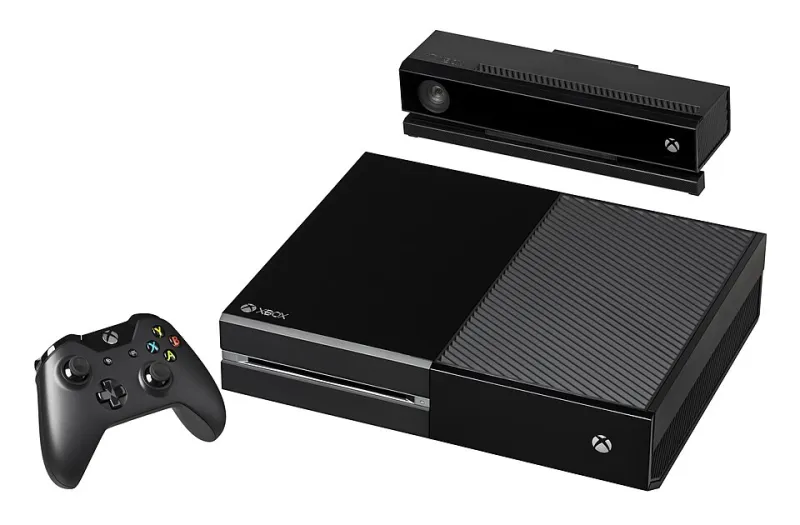
The Kinect 2.0, bundled with the Xbox One at launch in 2013, pushed the hardware even further. Better resolution, improved low-light performance, heart rate detection through the camera. On paper, it read like the future. In practice, it read like something Microsoft was desperate to make relevant.
Where It All Started to Unravel
Here's where the story gets complicated — and where the community fracture really deepened.
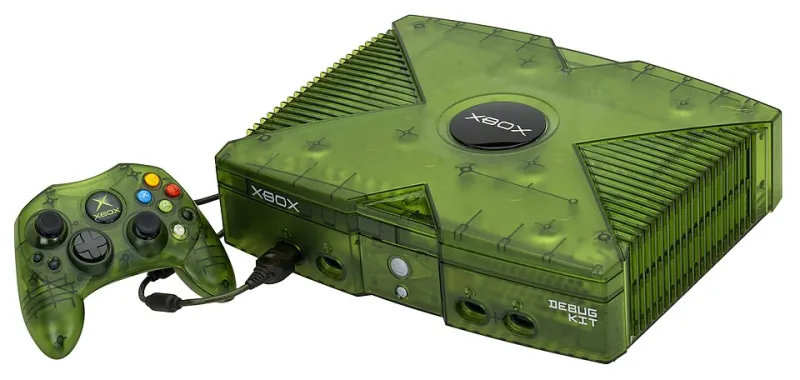
The core Xbox audience, the folks who'd been there since the original big black box in 2001, didn't buy an Xbox to do jumping jacks. They bought it for Halo. For Gears of War. For late nights grinding through Fable or trash-talking through Call of Duty lobbies. These players watched Microsoft pour enormous resources into Kinect integration and felt something that went beyond frustration. It felt like abandonment.
That feeling hit critical mass with the Xbox One launch. Microsoft didn't just include the Kinect — they made it mandatory, bundled into every unit, which pushed the console's launch price to $499 against the PlayStation 4's $399. In the console wars math of 2013, that $100 gap was enormous. And it wasn't for extra processing power or a bigger hard drive. It was for a camera peripheral that a huge chunk of the target audience didn't want.
The message Xbox sent, intentionally or not, was that the Kinect mattered more than the price point. More than the core gaming experience. More than what their most dedicated fans were asking for.
Microsoft reversed course relatively quickly — the Kinect became optional, then was quietly discontinued — but the damage had already shaped the entire console generation. Sony dominated the Xbox One era in sales, and while there were multiple factors at play, the Kinect-inflated price tag at launch was a wound the Xbox One never fully recovered from.
Was It Ahead of Its Time, or Just Off Target?
This is the question that still splits the community, and honestly, the answer might be both.
The technology itself? Legitimately prescient. The kind of spatial awareness, gesture recognition, and voice processing that Kinect was attempting in 2013 is now baked into everything from smart TVs to augmented reality headsets. If you want to draw a line from Kinect to modern motion capture tools, to accessibility features in gaming, to the gesture controls in VR — that line exists. The engineers working on Kinect weren't wrong about where technology was heading.
But being ahead of your time only matters if you're solving a problem people actually have. And for Xbox's core demographic, Kinect wasn't solving a problem. It was creating one.
There's also a fair argument that Microsoft's execution undermined even the genuine wins. Third-party Kinect support was inconsistent and often felt like a checkbox exercise — awkward menu navigation bolted onto games that didn't need it, voice commands that worked just well enough to be annoying when they failed. The killer app library never materialized beyond the launch window. Dance Central was great. What came after it, in terms of must-have Kinect experiences? The list gets thin fast.
The Accessibility Angle Nobody Talked About Enough
Here's a piece of the Kinect story that gets lost in the culture war noise: for players with certain disabilities, the technology opened doors that traditional controllers kept closed.
Hands-free voice navigation, gesture-based controls, the ability to interact with a console without gripping anything — these weren't gimmicks for a segment of the gaming population. They were genuinely meaningful. It's one of the more bittersweet parts of the Kinect's legacy that this use case was never centered in how Microsoft marketed the device. Instead, they led with party games and fitness apps, and the accessibility potential got buried under the backlash.
The DNA of that accessibility thinking didn't disappear, though. You can trace a direct line from Kinect-era experimentation to the Xbox Adaptive Controller, which launched in 2018 and represented Microsoft at its most thoughtful. The Kinect may have failed commercially, but some of what it was reaching for found a better home.
What the Xbox Community Actually Learned
If there's a lasting lesson from the Kinect era, it might be this: identity matters more than innovation in isolation. Xbox built its reputation on a specific kind of gaming experience — high-fidelity, controller-driven, community-focused. When the Kinect push felt like a departure from that identity rather than an expansion of it, the audience didn't just push back. They started questioning whether Xbox still understood who they were.
That identity crisis, amplified by some genuinely rough messaging around the Xbox One launch, handed Sony an entire console generation. Microsoft spent years rebuilding trust — through Game Pass, through backwards compatibility, through a return to the messaging that core gamers actually responded to.
The Kinect itself is gone. The lessons it left behind are still being processed.
Ask around in any Xbox community space — forums, Discord servers, the comments under any retrospective video — and you'll still find the argument alive and kicking. Some folks remember it fondly. Some can't forgive it. Most, if they're being honest, feel a little bit of both.
That's what makes it such a fascinating chapter in Xbox history. Not a simple failure. Not a simple success. A genuine fork in the road that the community is still, in small ways, navigating.