No More Walls: How Xbox Abandoned the Exclusive Club and Changed Fan Culture Forever
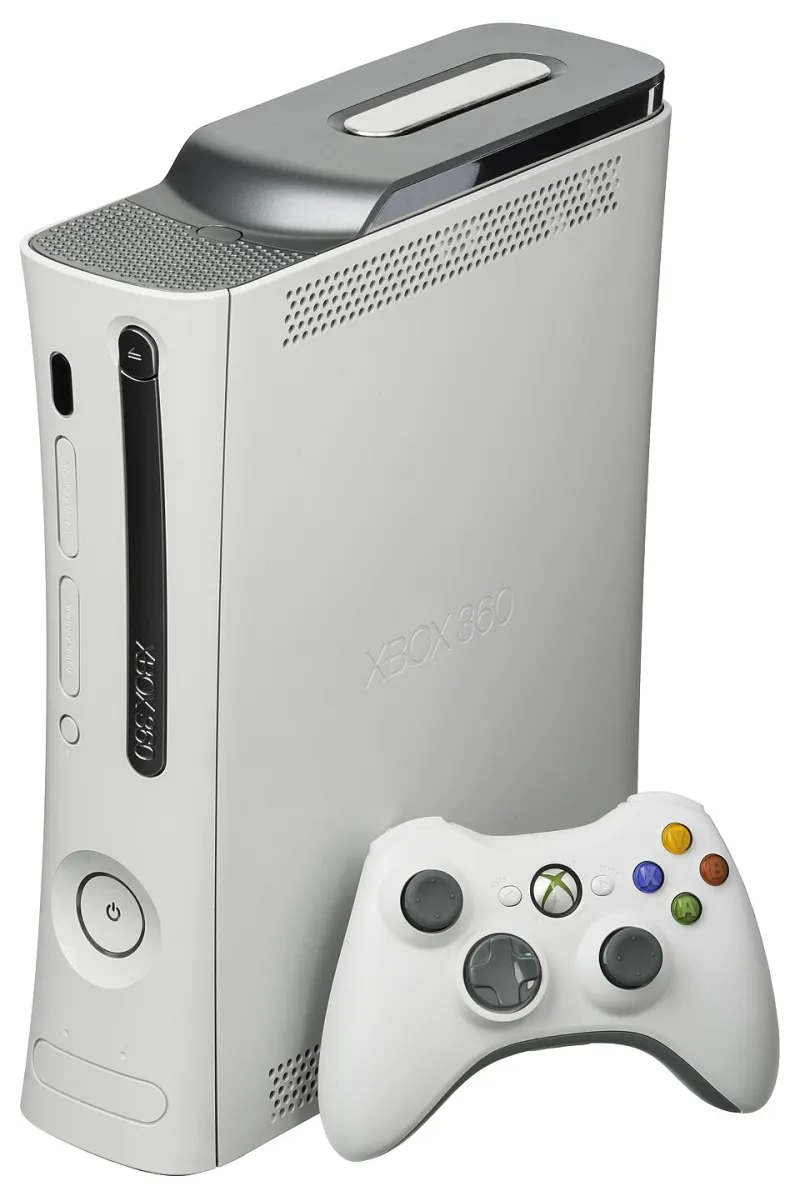
Photo: Evan-Amos, Public domain, via Wikimedia Commons
There's a certain feeling longtime Xbox fans know well. It's the quiet satisfaction of booting up a game that simply doesn't exist anywhere else — a title that's yours by virtue of the console sitting under your TV. That feeling had a name, even if nobody called it that out loud. It was identity. It was belonging. And for better or worse, Xbox has spent the last several years systematically dismantling it.
The shift didn't happen overnight. It crept in through Game Pass, through PC ports, through the slow erosion of what "Xbox exclusive" even meant anymore. But the moment it became undeniable was when Microsoft started putting its biggest first-party releases — Halo, Forza, even Starfield — on PlayStation. That wasn't a rumor. That was a policy change. And for a lot of dedicated Xbox fans, it hit like a gut punch dressed up as good news.
What Exclusives Actually Did for the Culture
Let's be real: exclusives were never just about business strategy. Sure, they moved hardware. But more than that, they built tribes. When Halo 2 launched in 2004, you didn't just buy a game — you joined something. You had a reason to defend your console in a school cafeteria argument. You had skin in the game.
The same was true going back further, into the original Xbox era. Games like Jet Set Radio Future, Ninja Gaiden, and Fable weren't just software — they were cultural touchstones for a specific kind of gamer who'd made a specific kind of choice. That choice meant something. It created community through shared access and shared exclusion, the same way any subculture does.
Retro Xbox fans talk about this constantly. The original Xbox launched in 2001 as a scrappy underdog, and its exclusive lineup was its entire argument for existing. Without those games, there was no reason to pick it over a PS2. Exclusivity wasn't just a marketing tactic — it was survival, and the culture that grew around it was genuine and fierce.
The Platform-Agnostic Pivot
Fast forward to the Phil Spencer era, and the philosophy flipped. Microsoft started framing Xbox less as a console and more as a service ecosystem — a platform you could access through a controller, a PC, a phone, or eventually someone else's television entirely. The pitch was accessibility. More players, more reach, more revenue.
On paper, it's hard to argue with the logic. Game Pass subscriptions grew. Player counts on Xbox titles shot up when they weren't locked behind a single piece of hardware. Developers got bigger audiences. From a pure business standpoint, the walls coming down looked like a win.
But here's what got lost in the press releases: the reason someone bought an Xbox in the first place. If Halo is on PlayStation, if Indiana Jones and the Great Circle shows up on a competing platform months later, if there's genuinely no game that requires you to own Microsoft hardware — then what exactly are you loyal to? A subscription? A logo?
Fans Weigh In: Diluted or Democratized?
Spend any time in Xbox communities — Reddit threads, Discord servers, the comment sections of sites like this one — and you'll find the debate is very much alive. The split tends to fall along generational lines, which is telling.
Older fans, the ones who were there for the Duke controller and the original Xbox Live rollout, tend to feel the loss more acutely. They describe the current era with words like "rudderless" and "watered down." For them, the exclusive ecosystem wasn't just a feature — it was the point. One longtime fan put it bluntly in a community thread: "I don't know what Xbox is anymore. It used to be a place. Now it's just a service."
Younger or more casual fans see it differently. They appreciate not having to own multiple consoles to play everything they want. They like that friends on PlayStation can jump into the same games. For them, the walls weren't creating community — they were creating unnecessary friction.
Both takes are valid. That's what makes this conversation so genuinely complicated.
The Retro Lens: What the Past Tells Us
Look back at any era of gaming history and you'll find that the most passionate fanbases grew up around scarcity and specificity. Sega fans in the early '90s weren't just playing games — they were making a statement. Nintendo fans today still carry that identity with pride, partly because Nintendo has never stopped treating its hardware as the only legitimate home for its software.
Xbox had that once. The original Xbox and the 360 era represented a genuine attempt to build a console culture from scratch, and it worked. Games like Gears of War and Mass Effect (before it went multiplatform) gave Xbox fans something to rally around. The 360 era in particular is remembered with the kind of nostalgia that only comes from a period when the stakes felt real and the wins felt personal.
When you remove exclusivity, you remove that stakes-based identity. You get broader reach at the cost of depth. Whether that trade is acceptable depends entirely on what you valued in the first place.
So Was It Worth It?
Honestly? It depends on who you ask, and that ambiguity might be the most honest answer available.
For the gaming ecosystem broadly, Microsoft's platform-agnostic approach has probably been a net positive. More people playing more games is hard to argue against. Game Pass genuinely changed how a lot of Americans think about gaming budgets, and that matters.
But for the dedicated Xbox enthusiast — the person who has owned every Xbox console since day one, who remembers exactly where they were when Halo 3 launched, who has a complicated relationship with the word "exclusive" — the trade-off stings in ways that don't show up in subscriber metrics.
Xbox culture still exists. It's just harder to define now. The community is real, the passion is real, but the shared wall that used to hold it together has been replaced by a shared subscription, and those aren't the same thing.
Maybe that's fine. Maybe culture adapts. But it's worth sitting with the loss for a minute before moving on — acknowledging that something specific and irreplaceable got traded away in the name of something bigger and blurrier.
The walls are gone. The question is whether what's left is a bigger house or just a bigger yard.