Carrying the Flag: How Halo's Identity Crisis Became Xbox's Own
Photo: futuristic soldier helmet glowing visor sci-fi gaming, via thumbs.dreamstime.com
There's a moment in Halo 4 where Master Chief, after years of dormancy, wakes up to a galaxy that has moved on without him. Old alliances have fractured. The enemy is something new and deeply personal. The rules have changed. If you swap out the Spartan armor for a green console logo, that description fits Xbox's last decade almost perfectly.
Halo and Xbox have always been more than just product and platform. They grew up together. They stumbled together. And whether fans want to admit it or not, the way people feel about one has almost always shaped how they feel about the other.
The Launch That Made Everything Possible
Cast your mind back to November 2001. Microsoft was an absolute newcomer in a living room already occupied by Sony and Nintendo — two companies with decades of gaming credibility. Nobody was handing the new kid a seat at the table.
Then Halo: Combat Evolved dropped with the original Xbox, and everything shifted.
It wasn't just a great shooter. It was a statement. A reason to buy in. Master Chief gave players something to rally around when the platform itself had no track record to lean on. That's a staggering amount of weight to put on a single franchise, but Halo carried it — and carried it well through Halo 2 and Halo 3, arguably two of the most culturally significant console games ever made in the United States.
For a certain generation of American gamers, those titles weren't just games. They were the reason Friday nights existed.
When the Weight Gets Heavy
Here's the thing about being the standard-bearer: eventually, the standard becomes a burden.
After Bungie parted ways with Microsoft in 2010, 343 Industries inherited not just a franchise but a mythology — and an audience with extremely strong opinions about how that mythology should be handled. Halo 4 was technically impressive and emotionally ambitious, but it divided the community in ways the series hadn't seen before. Halo 5: Guardians leaned hard into multiplayer mechanics and a story that left many fans cold, particularly with its treatment of Master Chief as almost a secondary character in his own saga.
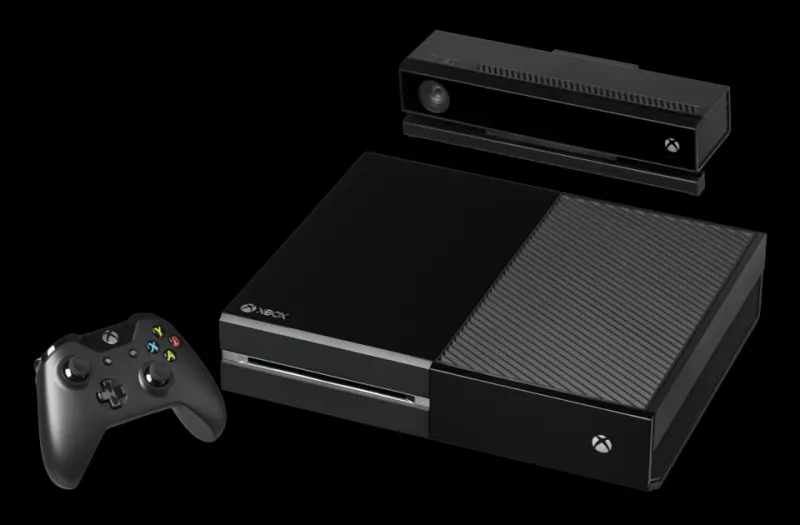
Sound familiar? Around that same window, Xbox itself was navigating one of the rockiest stretches in its history. The Xbox One reveal in 2013 — with its focus on TV integration, always-online requirements, and used game restrictions — felt like a platform that had lost the thread. Like it had forgotten who it was actually talking to.
Both Halo and Xbox were, in their own ways, trying to be something bigger and broader. And both paid the price with their core audiences.
Reinvention and the Risk of Forgetting Your Roots
What makes the Halo-Xbox parallel so compelling isn't just the shared struggle — it's the shared response to that struggle.
When Halo: The Master Chief Collection launched in 2014 (disastrously at first, then brilliantly after years of patches and updates), it was essentially an act of contrition. A look backward. A signal to fans that the old stuff still mattered, that the foundation wasn't being abandoned. Xbox, meanwhile, was quietly rebuilding its own goodwill through backwards compatibility, Game Pass, and a gradual pivot back toward the community it had alienated.
Both moves said the same thing: We remember. We hear you.
Halo Infinite, which launched in late 2021, became the most literal expression of this parallel. After years of experimentation, 343 stripped things back. Open world, yes — but grounded in the combat feel that made the originals legendary. Master Chief front and center. Grappling hook aside, it was a game that felt like it had gone back to therapy and figured some things out.
The reception was warm, even enthusiastic. Not universal — nothing about Halo is universal anymore — but it felt like a genuine reconnection. Xbox was doing the same thing at the corporate level, with Phil Spencer repositioning the brand around player-first values, accessibility, and a respect for gaming history that hadn't always been evident before.
Legacy as Both Anchor and Lifeline
The tricky part about being an icon is that legacy can trap you as easily as it can save you.
Halo fans are some of the most passionate in gaming, and that passion cuts both ways. The same devotion that fills Reddit threads with Combat Evolved nostalgia also fuels brutal criticism any time a new entry doesn't measure up to an idealized memory. Xbox fans operate the same way — deeply invested, occasionally impossible to please, and always measuring the present against a golden era that gets shinier with every passing year.
What's interesting is that both Halo and Xbox seem to have made a kind of peace with that tension. They're not trying to erase the past or pretend the rough years didn't happen. Instead, they're leaning into the history — acknowledging the stumbles while building something that honors what made people care in the first place.
The upcoming projects in the Halo universe, including the expanding lore and continued Infinite updates, suggest 343 is still figuring out the balance. Xbox, too, is still mid-journey. The acquisition of major studios, the Game Pass evolution, the push into PC and cloud gaming — these are all moves that will take years to fully evaluate.
What Master Chief Taught Us About Rooting for a Platform
At its core, the Halo story is about a soldier who keeps fighting even when the mission gets blurry, the enemy shifts shape, and the people giving the orders don't always seem to know what they're doing. He adapts. He endures. He carries the weight because someone has to.
Xbox fans who've been around since the original big black box know that feeling intimately. They've watched their platform stumble, pivot, overcorrect, and slowly find its footing again. They've defended it in comment sections, argued about it at launch events, and kept playing through the rough patches because the foundation — the thing that made them believers in the first place — was still there underneath.
Halo didn't just mirror Xbox's journey. In a lot of ways, it taught Xbox fans how to be Xbox fans: loyal without being blind, critical without giving up, and always ready to believe that the next mission might be the one that makes it all make sense.
That's not a bad lesson for any of us.